
ATHENAEUM
Athēnaion — temple of Athena, ancient meeting place of scholars
A name with meaning
The Athenaeum takes its name from the places where scholars once gathered to think, debate, and grow intellectually. A place of higher learning and enrichment.
We built a small one of our own.
Why we started
We noticed a gap in our laboratories and classrooms
Time and again, students reached the end of their undergraduate years and only then discovered they needed research experience. Whether it is for graduate school, their first job, or a letter that says something real about how they think, research experience is essential, and it is hard to get. Many research labs have long waitlists of eager students with relatively few opportunities.
We noticed something else too: students were arriving at university less prepared to think critically than they used to be. Reading past the surface of an argument. Holding two ideas in tension. Asking a genuinely useful question. These take practice, and that practice was starting later every year.
A university education is one of the largest investments of time and money a family will make. Four years, tuition, the opportunity cost of everything else a student could have been doing instead. It deserves to be met with a student who already knows how to make use of it, not one still learning the fundamentals in year three.
The Athenaeum exists to get ahead of both. Students learn what research actually involves and start practicing the kind of thinking university expects of them, years before they arrive. That means we're shaping who walks into our own classrooms before they ever do. Through The Continuum, students are supported in making the most of their time in college, including getting into research labs to continue their research trajectory.
This is the classroom we set out to build: ready minds arriving, and a program that keeps pace with them long after.
Why we started
We noticed a gap in our laboratories and classrooms
Together, our founders have decades of experience running research laboratories at research-intensive universities, and teaching in both labs and classrooms. Over those years, we started noticing some gaps.
The Gaps
Students were arriving at university less prepared to think critically, and less used to having their own views challenged. Breaking down complex information. Evaluating an argument or a piece of data. Drawing a conclusion based on the evidence. Examining their own assumptions and biases. These are hard skills to build, and that work has to start well before university.
At the same time, more students than ever want real research experience once they get to university, yet the opportunities don't meet the demand.
There's also the hidden curriculum - the unwritten, unspoken rules and values that have a big impact on academic success. How to approach a professor. How to use office hours. When persistence reads as initiative rather than an imposition. Some students never quite learn how to navigate this.
The Stakes
A university education is one of the largest investments of time and money a family will make. Four years, tuition, the opportunity cost of everything else a student could have been doing instead. It deserves to be met with a student who already knows how to make use of it.
The Athenaeum
The Athenaeum exists to get ahead of all three gaps. Students learn what research actually involves and start practicing the kind of thinking university expects of them, years before they arrive. They learn to navigate the hidden curriculum directly, from people who've spent their careers inside it. They gain access to real research opportunities during high school, when those opportunities are hardest to find. That means we're shaping who walks into our own classrooms before they ever do. Through The Continuum, students are supported in making the most of their time in college, including getting into research labs to continue their research trajectory.
This is the classroom we set out to build: ready minds arriving, and a program that keeps pace with them long after.
Who's behind it
Two researchers, one idea
We've spent our careers studying how young minds develop, and decided to put that understanding to direct use.

Bridget Callaghan, Ph.D.
Co-Founder · Associate Professor, UCLA & UNSW
Bridget studies how early experiences shape the ongoing conversation between brain and body, and how brain-body interactions shape our mental health.
She has spent much of her career teaching that question and researching it, and started The Athenaeum to help students discover the wonder of knowledge creation as early as possible.
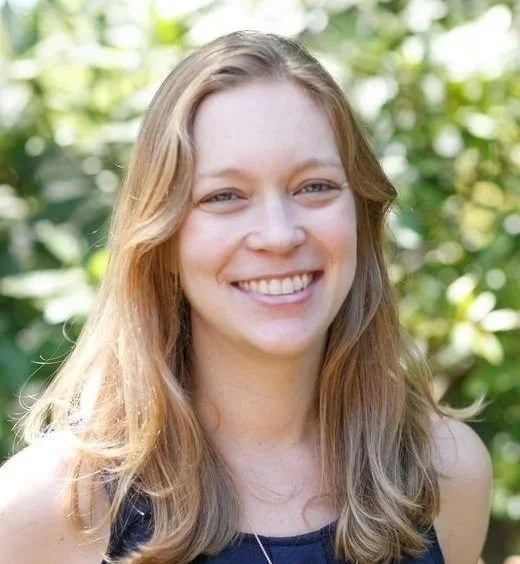
Jennifer Silvers, Ph.D.
Co-Founder · Associate Professor of Psychology, UCLA
Jennifer studies how people learn to regulate their emotions, and how different early experiences impact our ability to do that effectively.
She has spent decades mentoring students in the classroom and in her lab, and she started The Athenaeum to nurture a love of research and learning in her future students.
Every part of The Athenaeum comes back to one thing:
a student discovering what they're curious about, and faculty who actually want to chase it with them.
Come think with us.
Learn more about our current programs and what students actually do at The Athenaeum.
View the Programs